October Digital Paper Halloween Patterns: A Practical Guide for Crafters and Creators
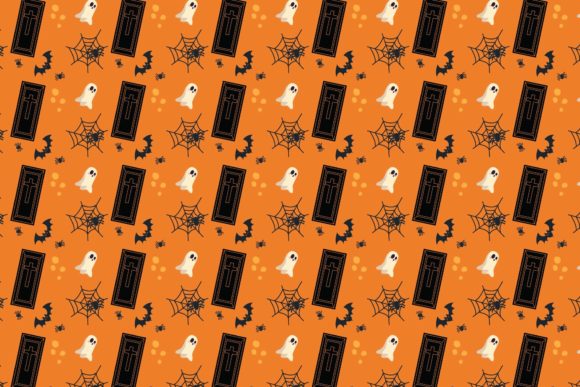
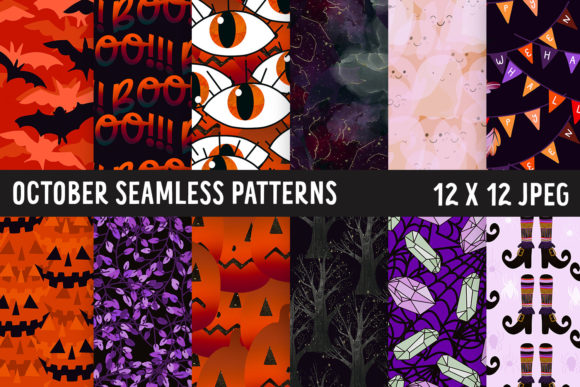
If you have spent any time browsing Halloween craft supplies, you already know that finding versatile, high-quality patterns can feel like searching for a needle in a haystack. Many designs look good in a preview but fall apart when you try to print them at scale or use them on a physical product. The October Digital Paper Halloween Patterns set, created on Procreate with crafters in mind, aims to solve that problem. It comes in 12x12 inch JPEG files at 300 DPI in RGB color mode, giving you room to scale, crop, and repurpose across stationery, signs, greeting cards, T-shirts, mugs, scrapbooking projects, and more. But even the best pattern bundle can lead to disappointing results if you overlook a few critical details. Let's walk through the most common pitfalls and how to sidestep them so your creations turn out exactly as you imagine.
Understanding Resolution and File Format Before You Start
The October Digital Paper Halloween Patterns bundle supplies JPEG files at a generous 12x12 inches with 300 DPI resolution. That sounds straightforward, but many crafters misinterpret what that means for their actual project. Some assume that a high-resolution JPEG can be blown up indefinitely without losing clarity. Others think that JPEG compression inherently ruins patterns. The truth sits somewhere in between. At 300 DPI, these files are optimized for sharp, clean prints at sizes up to 12x12 inches. If you need to go larger, you can scale them down without quality loss, but scaling up beyond the original dimensions will introduce pixelation regardless of the file type. One practical approach is to keep your project within that 12x12 inch footprint or smaller. For larger items like posters, consider tiling the pattern across multiple sheets or incorporating it as an accent panel rather than a full bleed. Also, since JPEG files use lossy compression, avoid repeatedly saving and reopening the same file, as each cycle degrades the image slightly. Save the original download as your master, and only export copies for specific uses.
RGB vs. CMYK: The Color Shift Trap
A mistake that trips up even experienced creators is assuming that what you see on screen will match what comes out of your printer. The October Digital Paper Halloween Patterns are delivered in RGB color mode, which is ideal for digital screens, social media graphics, and sublimation printing. However, many home and commercial printers use CMYK. When you print an RGB file on a CMYK device without conversion, colors can shift dramatically. Halloween oranges might appear dull, purples can turn muddy, and deep blacks can look grey. To avoid this, convert the file to CMYK in your design software before printing on paper or cardstock. Keep a backup RGB copy for digital uses like mockups, social media posts, or online listings. If you are using a professional print service, ask whether they prefer RGB or CMYK files. Some modern printers accept RGB and handle conversion internally, but many still require CMYK. Testing a small proof before committing to a large run will save you time, money, and frustration.
Scaling Patterns Without Losing the Design Intent
Digital papers often feature repeating motifs like pumpkins, ghosts, or geometric Halloween patterns. When you scale the file up or down, the relationship between motif size and your project surface changes. A pattern that looks balanced on a 12x12 inch sheet may feel overwhelming on a mug or too delicate on a T-shirt back. The better approach is to resize the pattern in your software and view it at the actual dimensions of your finished product before committing. If the motifs become too large for a small item, duplicate the pattern layer, scale it down, and tile it to maintain visual richness. Conversely, if the pattern feels too busy on a large surface, scale it up slightly to space out the elements. The October Digital Paper Halloween Patterns are designed at a high enough resolution to allow moderate scaling in both directions without quality loss, but extreme changes will still affect sharpness. Stay within about 50 percent to 150 percent of the original size for best results.
Choosing the Right Pattern for Your Product Type
Not every design in the collection suits every project equally. A dense, intricate pattern that works beautifully for a scrapbook page may overpower a greeting card where you intend to write a message. On the other hand, a subtle repeating texture might get lost on a large sign. Before you download or purchase, think about the specific items you plan to create. If you are making mugs or T-shirts, look for patterns that read well from a distance and have clear contrast. For stationery and cards, consider designs with negative space or lighter sections where text can sit legibly. The October Digital Paper Halloween Patterns bundle offers variety, so take time to preview each file against your intended use. If you are unsure, create a quick mockup by placing the pattern behind a text box or over a product template. This small step will prevent you from falling in love with a design that does not function well in your actual project.
Sublimation Printing: Preparation and Pitfalls
One of the standout features of this collection is that it works for sublimation printing, which opens up possibilities for polyester fabrics, coated mugs, and other hard goods. But sublimation has its own set of rules. First, the RGB color mode is correct for sublimation, but your printer profile and ink type also matter. Using the wrong ICC profile can cause colours to shift, even if the file is perfect. Second, sublimation requires mirrored or flipped images. Forgetting to flip the pattern before printing onto sublimation paper will result in backward designs on your final product. This is especially important if the pattern includes text, numbers, or directional elements. Even a purely geometric pattern may look off if the orientation is reversed and the repeat does not align as intended. Always preview your design in mirrored mode before printing. Third, sublimation inks need high temperatures and pressure to transfer properly. Test a small sample on a scrap piece of fabric or a low-cost coaster before moving to your final item. This will confirm that the colors and pattern density transfer correctly with your specific equipment.
Overlooking the End-Use Environment
Where and how your finished item will be used matters more than most crafters realize. A greeting card that stays inside a drawer faces little wear, but a mug that goes through the dishwasher every day needs durability. Signs exposed to sunlight will fade over time if printed with standard inks. The October Digital Paper Halloween Patterns themselves are digital files, so they do not degrade, but the substrate and printing method you choose determine longevity. For items that will be handled frequently, consider sealing printed paper with a protective spray or laminate. For sublimated mugs, use a coating that is dishwasher safe if you want the pattern to survive more than a few washes. If you are selling products, think about the expectations of your customers. Someone buying a Halloween gift expects it to last through the season at minimum. A quick durability check before production will save you from unhappy customers or wasted materials.
File Organization and Backup Habits
This might sound like basic housekeeping, but losing a pattern file or saving over it by accident is one of the most common frustrations among crafters. The October Digital Paper Halloween Patterns bundle includes multiple JPEG files, each with a unique design. When you start editing them, create a folder structure that separates your master files from your working files. Name each file with a clear description of the pattern and the date you downloaded it. If you plan to use the same pattern across multiple projects, make a copy for each project so changes do not affect your original. Cloud backup services like Google Drive, Dropbox, or iCloud are cheap insurance. Storing your master files in at least two locations means you never have to re-download or repurchase a collection you already own. This is especially important for seasonal patterns that may not be available year-round.
Testing Before Full Production
The most preventable mistake is skipping the test run. Whether you are printing one greeting card or fifty mugs for a craft fair, always produce a single prototype first. Use the same materials, printer settings, and finishing techniques you plan to use for the full batch. This test reveals color shifts, scaling issues, alignment problems, and durability concerns before you invest significant time and money. For example, you might discover that a particular pattern looks fine on screen but prints with a colour cast on your home printer. Or you might find that the pattern needs a slight rotation to match the seam of a bag. The October Digital Paper Halloween Patterns give you a strong foundation, but every printer, fabric, and coating behaves differently. A single test piece can save you from an entire batch of flawed products.
Making the Most of a Versatile Collection
The strength of this bundle lies in its flexibility. Because the files are large, high-resolution, and RGB-optimized, you can use them across digital and physical projects without needing to convert or reformat constantly. But that flexibility only helps if you plan your projects intentionally. Start by listing the items you want to create, then assign each pattern to a specific product. Reserve the most detailed patterns for smaller items where the intricacy can be appreciated. Use simpler or more open patterns for larger surfaces or items that require text overlay. If you are creating a coordinated product line, choose two or three patterns that share a colour palette or motif and use them consistently across your items. This approach gives your shop or personal projects a cohesive look without requiring you to design everything from scratch.
The October Digital Paper Halloween Patterns are a practical tool for anyone who enjoys making their own stationery, apparel, home decor, or gifts. By understanding resolution and colour mode, testing before production, scaling intentionally, and choosing the right pattern for each product, you can avoid the common mistakes that lead to wasted materials and disappointment. Whether you are a beginner making your first set of Halloween cards or a small business owner preparing for the autumn market, a few thoughtful steps will help you turn these digital papers into finished projects you are proud to share.