Black Dashed Line Patterns: A Strategic Design Element for Modern Creativity
In the world of design, simplicity often holds the most power. Black dashed line patterns are a prime example of this principle. These patterns, characterized by their clean, minimalist aesthetic, offer a versatile and effective way to enhance visual communication across various mediums. Whether you're an entrepreneur, designer, or creative professional, understanding how to strategically use black dashed line patterns can elevate your projects and support your broader goals.
The appeal of black dashed line patterns lies in their ability to convey structure, direction, and clarity without overwhelming the viewer. They serve as a subtle yet impactful tool that can guide attention, define boundaries, or add texture to a composition. This makes them particularly useful in branding, product design, and digital interfaces where visual hierarchy is key.
Why Black Dashed Line Patterns Matter in Strategic Design
When it comes to strategic design, every element must serve a purpose. Black dashed line patterns are not just decorative; they are functional. They can be used to outline sections, indicate transitions, or create a sense of movement within a layout. This makes them ideal for applications such as website wireframes, user interface (UI) elements, and even print materials like brochures or packaging designs.
For professionals aiming to streamline their workflow, black dashed line patterns can act as a foundation for planning and organization. By incorporating these patterns into mockups or drafts, designers can quickly visualize layouts and make adjustments before finalizing their work. This approach saves time and reduces the risk of costly revisions later on.
Moreover, black dashed line patterns align with the growing trend of minimalism in design. As businesses seek to communicate more effectively with their audiences, simplicity becomes a powerful asset. A well-placed dashed line can draw attention to key information, making it easier for users to navigate through content or understand complex data.
Strategic Applications of Black Dashed Line Patterns
Black dashed line patterns are not limited to a single use case. Their adaptability makes them valuable across a range of industries and projects. For instance, in the realm of interior design, these patterns can be used as wallpaper or fabric prints to add a touch of sophistication without being too bold. They provide a modern, clean look that complements both contemporary and classic decor styles.
For entrepreneurs and small business owners, black dashed line patterns can be a cost-effective solution for branding. They can be applied to promotional materials, such as business cards, flyers, or social media graphics, to maintain a consistent and professional appearance. This consistency helps build brand recognition and trust among customers.
In the field of education, black dashed line patterns can be used to create visual aids that help students grasp complex concepts. Teachers might use them to illustrate diagrams, charts, or step-by-step processes, making learning more engaging and accessible. The clarity provided by these patterns supports better comprehension and retention of information.
Additionally, black dashed line patterns can enhance the user experience in digital products. In app design, for example, they can be used to separate sections, highlight interactive elements, or indicate scrollable areas. This improves usability and ensures that users can easily navigate through the interface.
How to Use Black Dashed Line Patterns Effectively
To get the most out of black dashed line patterns, it's important to approach their use with intention. Start by identifying the specific goal you want to achieve. Are you trying to improve the layout of a document? Enhance the visual appeal of a product? Or simplify a complex concept? Once you have a clear objective, you can determine where and how to apply the pattern.
Consider the context in which the pattern will be used. For example, if you're designing a website, think about how the pattern interacts with other elements such as text, images, and colors. It should complement the overall design rather than compete with it. Similarly, when using the pattern in print materials, ensure that it translates well to different sizes and formats.
Another key consideration is the scale and density of the pattern. A heavy or dense pattern may overwhelm a design, while a light or sparse one might go unnoticed. Experiment with different variations to find the right balance for your project. Testing the pattern in real-world scenarios can also help you refine its impact.
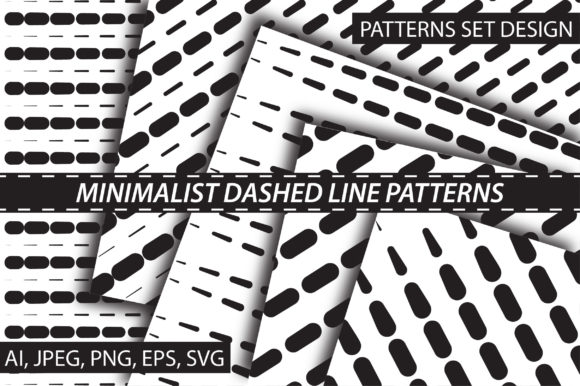
Finally, don't forget to leverage the technical aspects of the pattern. The availability of high-quality files in multiple formats—such as JPEG, PNG, EPS, SVG, and AI—makes it easy to integrate the pattern into various projects. Whether you're working on a digital mockup or preparing materials for print, having access to these files ensures flexibility and precision.
Common Mistakes to Avoid When Using Black Dashed Line Patterns
While black dashed line patterns can be highly effective, they can also lead to unintended consequences if used improperly. One common mistake is overusing the pattern, which can result in a cluttered or confusing design. It's essential to use the pattern sparingly and only where it adds value.
Another pitfall is failing to consider the target audience. What works for a tech startup may not resonate with a traditional business. Understanding your audience's preferences and expectations can help you tailor the use of the pattern to better meet their needs.
Additionally, some designers may overlook the importance of testing their designs. Before finalizing a project, it's wise to review the layout in different contexts—such as on various devices or in different lighting conditions—to ensure that the pattern performs as intended.
Lastly, neglecting to align the pattern with your overall brand identity can weaken its impact. The pattern should reflect the values and personality of your brand, reinforcing your message rather than diluting it.
Long-Term Value of Black Dashed Line Patterns
Investing in black dashed line patterns can yield long-term benefits for both individuals and organizations. By incorporating these patterns into your design toolkit, you gain a flexible resource that can be reused across multiple projects. This not only saves time but also maintains a cohesive visual language across your work.
Furthermore, as design trends evolve, the timeless nature of black dashed line patterns ensures that they remain relevant. Unlike fleeting trends that may quickly become outdated, these patterns offer a durable and adaptable solution that can be refreshed with new color schemes or applications.
For those looking to grow their creative portfolio, black dashed line patterns can serve as a foundation for experimentation. They allow designers to explore different styles, textures, and compositions while maintaining a level of professionalism and polish. This versatility can open up new opportunities and expand your creative horizons.
Ultimately, the strategic use of black dashed line patterns goes beyond aesthetics. It's about making informed decisions that support your goals, enhance your work, and deliver meaningful results. Whether you're designing for a client, launching a product, or simply expressing your creativity, these patterns can be a valuable asset in your design journey.
As you continue to explore the possibilities of black dashed line patterns, remember to stay intentional, thoughtful, and adaptable. With the right approach, these patterns can become a powerful tool in your design arsenal, helping you achieve greater clarity, efficiency, and impact in your work.