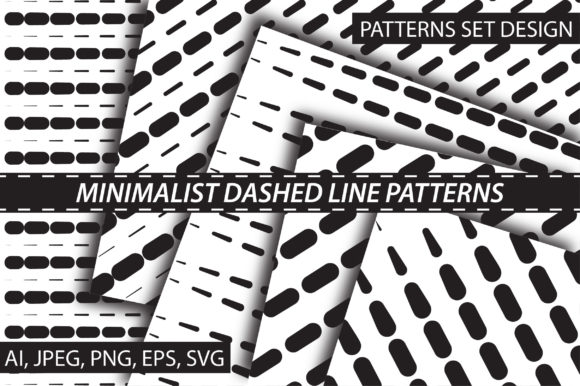
Minimalist Wavy Line Patterns: A Timeless Design for Modern Creativity
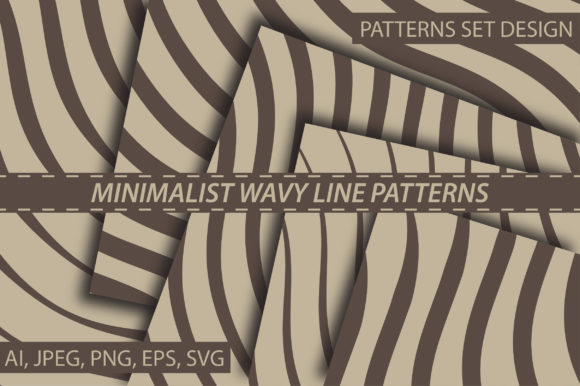
Minimalist wavy line patterns offer a sleek and sophisticated approach to design, combining simplicity with artistic expression. These patterns feature flowing, undulating lines that create a sense of movement and elegance without overwhelming the viewer. Whether you're an artist, designer, or business owner, understanding how to use these patterns effectively can elevate your projects and bring a fresh, modern aesthetic to your work.
Why People Are Drawn to Minimalist Wavy Line Patterns
Many people are attracted to minimalist wavy line patterns because they are versatile, easy to integrate into various designs, and visually appealing. Their clean lines and subtle motion make them ideal for backgrounds, textiles, and digital media. These patterns are especially popular in interior design, fashion, and branding, where a balance between simplicity and sophistication is essential.
For instance, a wavy line pattern could be used as a background for a website, a motif on a fabric for clothing, or even as a border for a book cover. The key advantage is that they don’t dominate the design but instead add a touch of refinement and movement.
Common Mistakes When Using Minimalist Wavy Line Patterns
Despite their appeal, there are several common mistakes that users may make when working with minimalist wavy line patterns. One of the most frequent errors is choosing a pattern that is too busy or complex for the intended purpose. While some variations of wavy lines can be intricate, the minimalist approach relies on simplicity. Overloading the design with too many elements can undermine the clean look that makes these patterns so effective.
Another mistake is not considering the scale and placement of the pattern. A wavy line that looks great on a small design might appear too large or distorted when scaled up for a wallpaper or textile. It’s important to test the pattern at different sizes and in various contexts before finalizing its use.
Understanding the Right File Formats for Your Needs
When downloading or purchasing minimalist wavy line patterns, it's crucial to understand which file formats are best suited for your project. For example, JPEG and PNG files are ideal for web use or digital presentations, while EPS and SVG files are better for scalable designs such as logos or print materials. AI files are useful for editing in Adobe Illustrator, allowing for greater customization and flexibility.
Choosing the wrong file format can lead to poor quality or difficulty in editing. If you're planning to print the pattern on fabric or paper, ensure that the file is high resolution and in the appropriate format for your printer or service provider.
How to Avoid Common Pitfalls
To avoid mistakes when working with minimalist wavy line patterns, start by clearly defining your design goals. Ask yourself: What is the purpose of the pattern? Will it be used digitally or in print? What kind of message or aesthetic do I want to convey?
Once you have a clear vision, research the available options and choose a pattern that aligns with your needs. For example, if you're designing a website, opt for a pattern that complements the overall layout without distracting from the content. If you're creating a textile, ensure the pattern is suitable for the material and printing method.
Testing and Refining Your Design
Before finalizing your design, always test the pattern in different scenarios. Print a sample if possible, or view it on multiple devices to see how it looks in real-world conditions. This step can help you identify any issues with clarity, scale, or compatibility.
Additionally, consider the color scheme. Minimalist wavy line patterns often work best with neutral or soft colors, but they can also be adapted to bolder palettes depending on the context. Experiment with different color combinations to find what works best for your project.
What to Check Before Making a Decision
Before purchasing or using minimalist wavy line patterns, check the following details:
- File Quality: Ensure the files are high resolution and properly formatted for your intended use.
- License Terms: Understand the usage rights associated with the pattern, especially if you plan to sell or distribute the design.
- Design Flexibility: Choose a pattern that allows for customization, such as adjusting colors, size, or spacing.
- Compatibility: Confirm that the file formats are compatible with your software or printing service.
These checks can save time and prevent costly errors down the line. For example, if you purchase a pattern without proper licensing, you could face legal issues if you use it commercially.
Final Thoughts on Minimalist Wavy Line Patterns
Minimalist wavy line patterns are a powerful tool for designers and creators looking to add a touch of elegance and movement to their work. By understanding their strengths and limitations, you can make informed decisions that enhance your projects and avoid common pitfalls.
Whether you're using these patterns for wallpaper, textiles, or digital media, taking the time to select the right design, file format, and application method will ensure the best results. Remember to follow the latest updates from creators like Sikey Studio to stay informed about new patterns and design resources.
Explore the available designs, test them in your projects, and discover how minimalist wavy line patterns can bring a fresh, modern feel to your creative work.