Mastering Patterns with Classic and Pyramid Tea Bags: Tips to Avoid Common Pitfalls
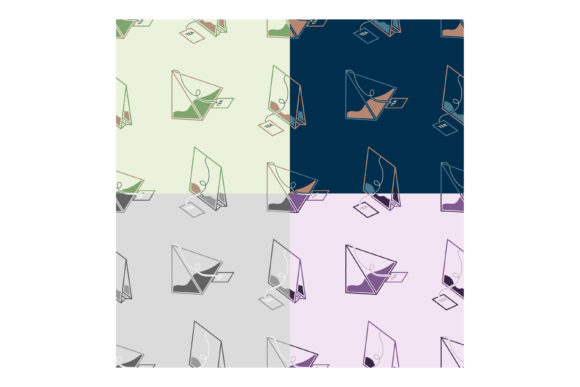
If you are a designer, small business owner, or hobbyist exploring ways to add a festive tea party vibe to your products, seamless patterns featuring classic and pyramid tea bags can be a delightful choice. These vector design elements are used for fabric printing, wrapping paper, party decorations, and even digital backgrounds. However, what seems like a simple download or purchase often leads to frustration if you miss critical details. Many people invest time and money only to end up with patterns that don’t tile correctly, print poorly, or clash with their intended aesthetic. The good news is that most of these issues are entirely avoidable if you know what to look for. Let’s walk through the common mistakes and how you can make smarter choices from the start.
Mistaking the Motif Purpose: Classic vs. Pyramid Tea Bag Styles
A common misunderstanding is assuming all tea bag patterns are interchangeable. In reality, the silhouette of a classic flat tea bag and a modern pyramid tea bag carries different visual weight and cultural connotations. Classic tea bags often evoke nostalgia, traditional afternoon teas, and warm vintage charm. Pyramid tea bags, with their clean geometric lines, suggest contemporary design, premium blends, and a more minimalist aesthetic.
Using a pyramid-heavy pattern for a rustic vintage tea party can feel mismatched, while an all-classic pattern might fall flat for a sleek modern brand. Before buying or creating a set, consider the mood you want to communicate. Check whether the pattern includes both styles or only one. If the collection bills itself as “patterns with classic and pyramid tea bags,” verify that both appear in balanced proportions. Otherwise, you may have to layer additional elements later to fix the tone.
- Verify the motif ratio: Does the design lean heavily toward one type? If so, decide if that matches your project.
- Match theme to usage: Classic tea bags suit heirloom-style fabric prints or invitations; pyramid teabags fit modern packaging and minimalist stationery.
- Blend with care: When mixing both in one pattern, ensure they share consistent line weights and colors so they feel cohesive.
Overlooking Seamless Tiling Requirements
Even the most beautiful tea bag pattern becomes useless if it does not tile seamlessly. People often assume a downloadable seamless pattern will automatically repeat without visible seams, but many vector files come with sloppy seams or edges that break the repeat. This is a frequent frustration for fabric printers and surface pattern designers.
If you are printing on fabric or wrapping paper, a non-seamless file will force you to manually adjust tiles, which can distort the pattern and waste material. Worse, some sellers offer patterns that only look seamless on screen because they rely on repeating background fills that don’t extend cleanly across the canvas.
What to Check Before Downloading or Buying
- Request a tile preview: Ask the seller or test the pattern by duplicating it in a grid in your design software. Zoom in to inspect edges.
- Check the file format: Vector files (AI, EPS, SVG) are easier to modify if you need to fix seams. Raster patterns often degrade when resized.
- Look for explicit “seamless” labeling: Reputable creators mention that the pattern has been tested and is tileable.
If you are creating your own pattern, use the Pattern Preview tool in Adobe Illustrator or the Repeat Grid in Affinity Designer. Always export a test print on a small piece of fabric before committing to bulk production.
Ignoring Scale and Proportion for Fabric Printing
Another critical oversight is failing to consider how large or small the tea bag motifs will appear on the final product. A pattern that looks charming on a six-inch screen can look disproportionately huge on a dress or absurdly tiny on a napkin. This mistake can ruin the delicate charm of a festive tea party theme.
For example, a pyramid tea bag that is 2 cm wide in the pattern file will appear dramatically different when printed on a 100 cm fabric width. Many beginners use patterns at their original size without first creating a mock-up. The result is often either overwhelming or too detailed to read.
- Create a scale reference: Place a standard tea bag next to your pattern in the design software to gauge size.
- Test on repeat mock-ups: Use a tiling simulation to see how the pattern looks across a large area.
- Adjust before printing: Scale the vector pattern up or down until the motifs feel natural relative to the intended object. A tablecloth might need larger elements; a scarf might need smaller repeats.
Neglecting Color Compatibility with the Tea Party Theme
A “festive tea party” implies certain color palettes: warm golds, deep greens, soft pinks, and creamy whites. However, many pre-made patterns come in generic brights or muted earth tones that miss the mark. Worse, a pattern might contain colors that bleed or clash when printed on fabric due to dye limitations.
People often buy a pattern thinking they can simply recolor it in their software. While that is possible with vector files, not all patterns are well-structured for easy recoloring. Some have embedded raster textures or grouped layers that make changing colors tedious and prone to error.
How to Avoid Color Disasters
- Open the file and inspect layers: Before buying, check if the pattern has editable colors. If it is a flat PNG or heavily grouped vector, ask the designer for an ungrouped version.
- Choose a pattern with a limited color palette: Patterns with fewer colors are easier to adapt to your brand or project.
- Simulate printing: Use a color proofing tool to see how the pattern will appear on fabric or paper. Some blues shift to purple, and some yellows appear greenish.
If you plan to create your own pattern, start with a Pantone or HEX palette that matches the festive mood—think about actual tea packaging, floral arrangements, and vintage china. Then test how those colors interact when repeated.
Underestimating Licensing and Usage Rights
This mistake is especially common among small business owners and entrepreneurs. You find a gorgeous set of seamless patterns with classic and pyramid tea bags, purchase it for a reasonable price, and start printing on tote bags for sale. Later you discover the license only covers personal use. Now you own inventory you cannot legally sell, or you risk a cease-and-desist.
Licensing language can be tricky. Some sellers lump commercial use into a higher-priced tier, while others restrict the number of copies you can produce. Even royalty-free files may have restrictions when used on merchandise or digital products.
- Read the license agreement carefully: Look for terms like “commercial use,” “print-on-demand,” “no limit on products,” and “attribution required.”
- Contact the creator if unsure: A quick email can save you from legal trouble. Reputable designers are happy to clarify.
- Keep a copy of the license: Store your receipt and license file in case a platform questions your usage.
For maximum flexibility, consider creating your own patterns or commissioning an exclusive set. Yes, it costs more upfront, but it avoids headaches later.
Failing to Test the Pattern on the Actual Medium
Even after checking all the above, many people skip the final practical step: printing a sample. A vector seamless pattern that looks perfect on screen may reveal unexpected issues when transferred to fabric, paper, or other materials. Pyramid tea bag shapes might bleed into one another, or the classic tea bag strings might appear too thin.
I have seen a beautiful tea party pattern lose its charm because the white background turned yellow on unbleached cotton. The designer had not tested the pattern on that specific substrate. Testing does not need to be expensive. A single fabric swatch or printout can confirm that the colors, scale, and tiling work as intended.
- Print a small repeat: Use a home printer on fabric sheets or order a sample from your production partner.
- Check readability: Look at the pattern from a distance and up close. Make sure the tea bag details are clear, not muddy.
- Wash test if applicable: For fabric, wash the swatch to see if colors run or if the pattern distorts.
Overloading the Pattern with Too Many Elements
Finally, a mistake specific to festive tea party patterns is trying to include too many details. Cups, saucers, tea bags, sugar cubes, flowers, and confetti all crammed into one seamless tile can create visual noise. Instead of a charming pattern, you get a chaotic repeat that overwhelms the viewer.
Pyramid and classic tea bags are strong motifs on their own. They do not need constant company. A well-designed pattern gives each element room to breathe, with balanced negative space. Many patterns on marketplaces suffer from element overload because creators want to prove value, but for the end user, less is often more.
- Limit the number of unique motifs: Stick to two or three types of tea bags plus one or two accent elements.
- Use scale variation: Have larger tea bags as focal points and smaller ones for texture.
- Test clarity: If you squint and the pattern looks like a blur, reduce the motif count.
When you evaluate a pattern set, look for designs that respect white space and use deliberate placement. That is usually a sign of a professional creator who understands how the pattern will be applied.
By paying attention to motif selection, seamless tiling, scale, color, licensing, testing, and composition, you can avoid the most frustrating pitfalls. Patterns with classic and pyramid tea bags offer wonderful opportunities for festive tea party projects, whether you are printing fabric for table linens, creating stationery sets, or designing packaging for an artisan tea brand. Take a few extra minutes to verify these details before committing your time and resources. Your final product will look polished, professional, and perfectly tailored to your vision.