The Enduring Power of Patterns with Comedy and Tragic Masks
For centuries, the comedy and tragic masks have stood as the ultimate symbols of theatre, drama, and the human condition. When these iconic faces are transformed into patterns with comedy and tragic masks, they take on a new life—becoming versatile design elements that bridge classical art and modern creativity. Whether you are a graphic designer sourcing inspiration, a fashion entrepreneur planning a fabric print, or an event organizer preparing a theatrical premiere, understanding how to use these masks within seamless patterns opens doors to rich visual storytelling.
In this article, we explore the purpose, features, and real-world applications of patterns with comedy and tragic masks. We will look at where they shine, who benefits from them, and how to evaluate their fit for your next project. Let us pull back the curtain on this timeless motif.
What Are Patterns with Comedy and Tragic Masks?
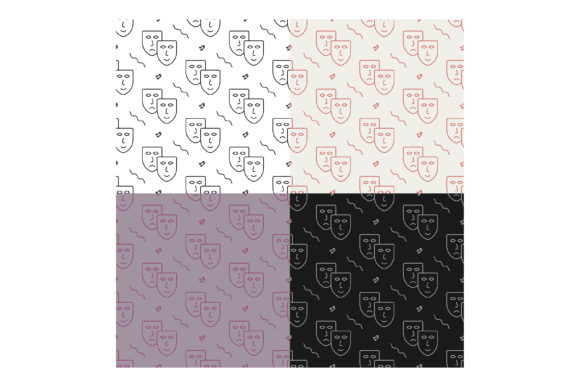
At their core, patterns with comedy and tragic masks are repeatable design layouts that feature the classic theatrical faces—one smiling (comedy) and one frowning or weeping (tragedy). These patterns can be arranged as seamless tiles, symmetrical grids, or flowing ornamental repeats. The masks are often stylized with intricate linework, dramatic curls, floral accents, or vintage circus poster flair.
These designs are not limited to literal mask illustrations. They may incorporate:
- Ornamental borders with laurel wreaths, stars, or theatrical curtains.
- Monochrome or duotone palettes for a classic, timeless look.
- Vibrant color schemes reminiscent of carnival or circus posters.
- Mixed elements like masks intertwined with musical notes, harlequin diamonds, or dramatic rays of light.
The result is a design element that carries dual meaning—joy and sorrow, performance and authenticity. This duality makes patterns with comedy and tragic masks exceptionally powerful for projects that need emotional depth and visual interest.
Key Characteristics of Seamless Mask Patterns
When you work with seamless patterns featuring these masks, you get a few distinct advantages:
- Repeatability without visible seams—perfect for fabric, wallpaper, or wrapping paper.
- Scalability—the pattern works at small and large scales without losing clarity.
- Symbolic richness—every viewer instantly recognises the theatrical reference.
- Versatile mood—can be dramatic, playful, elegant, or eclectic depending on execution.
Practical Applications: Where Do These Patterns Belong?
The beauty of patterns with comedy and tragic masks lies in their adaptability. Here are the most common and impactful use cases across industries:
Theatrical Premieres and Events
Nothing sets the stage quite like a pattern inspired by the masks themselves. For a theatrical premiere, consider using these patterns on:
- Posters and flyers—as a background or border motif.
- Stage curtains or backdrops—a repeating mask pattern creates a dramatic, immersive atmosphere.
- Invitations and programmes—adds an instant theatrical tone.
- Merchandise—tote bags, mugs, or pins featuring the pattern for patrons.
Fashion and Fabric Printing
Designers looking for distinctive prints love patterns with comedy and tragic masks. They work beautifully on:
- Silk scarves—a repeating mask pattern in gold and black feels luxurious.
- Dresses and shirts—especially for costume parties, theatre-themed events, or avant-garde fashion.
- Home textiles—throw pillows, duvet covers, or curtains for a dramatic interior.
- Tote bags and accessories—a conversation starter that shows cultural flair.
Interior Design and Decor
Homeowners and interior decorators use these patterns to create feature walls or accent pieces. Think about:
- Wallpaper in a home theatre room or study.
- Upholstery for chairs in a den or library.
- Art prints framed as a series.
- Decorative trays or coasters for a subtle nod to the arts.
Circus and Carnival Posters
The vintage circus aesthetic pairs naturally with patterns with comedy and tragic masks. Use them in:
- Retro-style posters with bold typography and mask borders.
- Ticket designs that feel like collectibles.
- Signage and banners for circus, carnival, or masquerade events.
Who Benefits Most from These Patterns?
Understanding your audience helps you choose the right pattern style. Here is who typically gains value from patterns with comedy and tragic masks:
| User Type | Why It Works |
|---|---|
| Theatre companies | Instantly communicates the art form; builds brand identity. |
| Graphic designers | Versatile vector elements for posters, web, and print. |
| Fashion designers | Unique print that stands out in collections. |
| Event planners | Adds thematic cohesion to parties or premieres. |
| Home decorators | Brings drama and culture into living spaces. |
| Small business owners | Great for niche products like masks, bags, or stationery. |
Strengths
- People-first symbolism. The masks resonate universally, making the pattern accessible.
- Timelessness. Unlike fleeting trends, theatrical masks have been relevant for millennia.
- Seamless scalability. Most vector patterns resize without quality loss—ideal for digital and print.
- Mood versatility. Depending on color and style, the same pattern can feel vintage, modern, playful, or solemn.
Considerations
- Expect thematic specificity. Not every project suits theatrical imagery. Avoid overusing in non-theatre contexts.
- Quality of the vector. Low-quality mask vectors can look clunky. Always check line detail and symmetry.
- Color balance. Masks with too many details may feel busy in small repeats. Test scaling before committing.
- Cultural sensitivity. Masks are respected symbols—use them with intention, not just as decoration.
Practical Expectations
When you purchase or download a set of patterns with comedy and tragic masks in vector format, expect to receive files like AI, EPS, SVG, or PDF. These allow you to:
- Edit colors, scale, and arrangement freely.
- Export to PNG, JPG, or other formats.
- Print on fabric, paper, or vinyl without pixelation.
If you are commissioning a custom pattern, discuss repeat type (block, half-drop, or brick) and colour palette early. A good designer will ask about your end use—fabric printing, for example, requires different file preparation than digital use.
Scenario 1: The Independent Theatre Company
A small theatre troupe in Chicago wanted a cohesive brand identity for their season of classical plays. They chose a pattern with comedy and tragic masks in black and gold as their recurring visual element. The pattern appeared on:
- Season posters and social media graphics.
- Playbills and ticket stubs.
- Custom T-shirts sold at the box office.
The result was a professional, recognisable look that cost little to produce and could be reused year after year.
Scenario 2: The Textile Designer
A fashion designer creating a capsule collection themed "Backstage" needed a signature print. She found a seamless vector pattern featuring both masks intertwined with rose vines. She used it on a silk shirt and a matching scarf. The pattern's repeat was subtle enough to feel sophisticated, yet detailed enough to attract attention in lookbook photos.
Scenario 3: The Circus Poster Revival
A vintage circus enthusiast curated a gallery exhibition of poster art. He commissioned a series of patterns with comedy and tragic masks in sepia and red, mimicking turn-of-the-century print aesthetics. These patterns formed the borders for modern posters advertising the exhibition itself—creating a delightful loop of past and present.
Evaluating Suitability for Your Project
Before committing to a pattern, ask yourself these questions:
- What is the tone of my project? Dramatic, playful, elegant, or somber? Match the mask style accordingly.
- Where will it be used? Fabric, paper, digital, or all three? Choose a format that supports your output.
- Who is the audience? Theatre lovers, fashionistas, decorators, or general consumers? Adjust complexity and color.
- Is the pattern scalable? Test at small and large sizes before finalising.
- Does it need to be seamless? For fabric, wallpaper, or wrapping paper, seamless is essential. For posters, a border pattern may suffice.
Final Thoughts on Patterns with Comedy and Tragic Masks
Whether you are preparing for a theatrical premiere, designing a circus poster, or creating a home decor line, patterns with comedy and tragic masks offer depth, history, and visual appeal. They are more than just decoration—they are storytelling tools. By understanding their strengths and limitations, you can use them intentionally to create work that resonates emotionally and aesthetically.
When you choose a pattern, think about the story you want to tell. The masks have been doing that for over two thousand years. With a well-crafted seamless vector pattern, they can continue that legacy in your own projects.