Patterns With Cozy Home Chair: Practical Design Ideas for Fabric, Decor, and Digital Projects
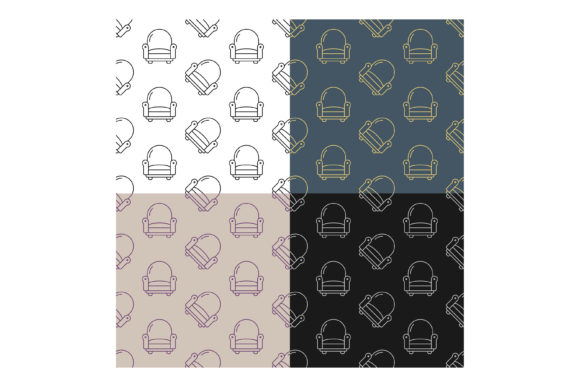
You know that feeling when you walk into a room and something about the fabric or wallpaper just makes you want to sink into a chair and breathe out slowly? That is exactly what the concept behind Patterns with Cozy Home Chair aims to capture. These seamless pattern sets center on one simple but powerful image—an armchair designed for watching TV, reading, or simply unwinding after a long day—and turn it into a repeatable design element you can use across fabric, wallpaper, digital backgrounds, and more. If you have ever searched for decorative motifs that feel genuinely relaxing rather than just pretty, this style of pattern might be exactly what you need.
These vector-based patterns are not just about a chair. They are about the moment that chair represents: the end of a workday, the switch from hustle to stillness, the small ritual of settling in with a remote or a book. Because the design is delivered as a seamless pattern, you can scale it, rotate it, tile it, or recolor it without worrying about awkward breaks or mismatched edges. That practical flexibility matters whether you are printing on a bolt of cotton or laying it into a website background.
Where Patterns With a Cozy Chair Fit Into Everyday Projects
Think about the times you want a design to do more than just look good. You want it to communicate a mood. That is where a pattern built around a cozy home chair becomes useful beyond simple decoration.
For fabric printing and home textiles, this pattern works well on upholstery weight fabrics for accent chairs or throw pillows. Imagine a small-scale repeat of a relaxed armchair motif in muted earth tones across a linen cushion. It does not compete with the actual furniture in the room; it echoes the comfort the room is supposed to offer. Fabric manufacturers and small-batch textile printers have started using lifestyle-oriented patterns like these because customers are drawn to designs that tell a story they recognize—coming home, sitting down, and disconnecting.
For wallpaper and wall art, a seamless chair pattern can create a feature wall in a reading nook or a home office corner. Instead of generic florals or geometrics, you get a repeated visual cue that reinforces the purpose of the space. One creator I know printed a single large-scale version of a cozy chair pattern on removable wallpaper for the wall behind her armchair in a small apartment. It turned a blank corner into a deliberate relaxation zone without costing much or requiring permanent changes.
For digital content creators, these patterns serve as background textures for lifestyle blog posts, YouTube video thumbnails, or social media templates. If you run a channel about slow living, home organization, or evening routines, a background pattern that literally shows a chair for relaxing reinforces your message visually. It works better than abstract textures because viewers subconsciously read the imagery and associate it with rest.
Who Actually Benefits From This Kind of Pattern Design
Different people will use the same pattern set in completely different ways, and that versatility is what makes it valuable.
- Surface pattern designers and print-on-demand sellers can use the vector files as a starting point for collections. Adjust the color palette to fit seasonal trends—warm ochres and rusts for fall, soft grays and muted blues for winter—and offer the same chair motif across multiple product types: tote bags, aprons, throw blankets, even phone cases. The seamless format saves hours of manual tiling work.
- Small business owners who sell handmade home goods often struggle to find original patterns that match their brand voice. A set of vector patterns with a cozy chair gives you something that feels personal without requiring you to hire an illustrator. You can customize the scale and color directly in your design software and apply it to products you already make, like sewn pillows, framed prints, or hand-painted furniture.
- Bloggers and educators in the lifestyle space can use these patterns as visual anchors for course materials, ebooks, or printable planners. For example, a productivity coach who teaches evening wind-down routines might use the pattern on the cover of a downloadable habit tracker. The image reinforces the advice without needing extra explanation.
- Hobbyists and everyday DIYers who enjoy fabric crafting, quilting, or home decorating can buy a single pattern set and turn it into multiple projects across different rooms. Because the design is vector based, you can print it at small scale for a quilt square or enlarge it for a fabric wall hanging. The cost per use drops dramatically once you own the file.
When and Why People Reach for Chair-Based Patterns
It might seem overly specific at first—why build a pattern around a single piece of furniture? But consider the situations where comfort is the core message.
After-work relaxation is a universal ritual. Whether someone works from home, commutes to an office, or manages a household, the act of sitting down in a favorite chair signals the end of responsibilities for a few hours. Patterns that depict that moment resonate because they reflect a shared experience. Designers working on collections for loungewear fabric, bedroom decor, or cozy cafe branding often look for motifs that skip the pretense and go straight to the feeling. A chair pattern does that without trying too hard.
During seasonal product planning, comfort-themed patterns see a spike in demand from late summer through early winter. As people start nesting for cooler months, they look for home textiles and decor that make their spaces feel warmer. A seamless pattern featuring a chair for watching TV or reading fits naturally into autumn and holiday collections. It gives buyers a reason to imagine themselves using the product in their own wind-down routine.
For product photography and staging, using a pattern as a prop background can elevate simple shots. If you sell handmade blankets or candles on Etsy, placing your product against a fabric or paper printed with a cozy chair pattern sets a mood that plain backdrops cannot match. The pattern tells the shopper, "This item belongs in your restful corner."
Practical Considerations Before Choosing or Using a Cozy Chair Pattern Set
Not every pattern works equally well in every context. Here are some real factors worth thinking through before you download, buy, or apply one of these designs.
Scale matters enormously. A pattern that looks balanced on a computer screen may feel too busy or too sparse when printed on fabric at full size. If you are working with a vector file, test the pattern at the actual dimensions you plan to use. Many vector programs let you preview the repeat at different scales. Take five minutes to adjust it so the chair motifs are neither overwhelming nor lost. A good rule of thumb: for upholstery, keep the repeat small enough that the chairs become a texture rather than a focal point. For wallpaper, you can let them be larger and more recognizable.
Color palette alignment with your existing decor or brand is another practical checkpoint. A pattern set might come in several colorways, but if you plan to recolor it yourself, make sure the vector file is layered in a way that allows easy editing. Some pattern sets group all elements on one layer, which makes changing individual colors tedious. Look for files where the chair, background, and ornaments are on separate layers, or ask the seller before purchasing.
Licensing terms can affect your business use. If you intend to sell products made with these patterns, verify whether the license covers commercial use, how many units you can produce, and whether digital products like printable wall art are included. Some designers offer extended licenses for larger production runs. Read the terms before you assume you can use the pattern on a run of 500 printed pillows. This is especially important for print-on-demand sellers who might end up selling hundreds of items using the same pattern.
File format and compatibility is another practical detail. Most vector pattern sets come as AI, EPS, or SVG files. If you do not use Adobe Illustrator, check whether the set includes PNG or JPEG previews that still allow seamless tiling. Some sets also include PDF patterns for manual crafting. Know your workflow before you commit.
How Different Users Get the Most Out of the Same Pattern
Let me walk through three realistic scenarios to show how the same set of Patterns with Cozy Home Chair can serve very different goals.
Scenario one: An Etsy seller specializing in custom tote bags. This seller downloads a vector pattern set, picks a colorway that matches her spring collection (soft sage and cream), and scales the pattern to fit a 16-by-16-inch bag panel. She prints the design on cotton canvas using a local fabric printer, sews the bags, and lists them with lifestyle photos showing the bag resting on an actual armchair. The pattern sells well because it looks like something you would carry to a coffee shop or use as a farmer's market bag—casual, comfortable, but intentional.
Scenario two: A lifestyle blogger creating a free printable habit tracker. She uses the pattern as a decorative border along the bottom and top of a PDF that helps readers track their evening wind-down routine. The chair motif reinforces the tracker's purpose, and because the pattern is seamless, she can stretch it across the page width without distortion. Readers print the tracker at home and post it on their walls, effectively spreading the pattern organically.
Scenario three: A freelance interior designer preparing a mood board for a client's home office. The designer uses the pattern as a digital swatch within a presentation, showing how a small repeated chair motif on a throw pillow or desk chair cushion could tie the room together. The client, who works long hours, immediately responds to the visual cue of comfort. The pattern becomes a talking point that helps the designer communicate why certain textures and motifs matter in a space meant for both work and rest.
Connecting Pattern Features to Real Outcomes
The technical qualities of a seamless vector pattern set only matter if they translate into something useful for you. Here is what those features actually mean in practice.
Seamless repeat means you never have to worry about awkward seam lines when tiling the pattern across a large surface. For fabric printing, that saves time and material waste. For digital backgrounds, it means your website or social media graphic looks professional without extra editing.
Vector format means you can resize the pattern from a postage stamp to a billboard without losing quality. If you want the chair motif tiny and subtle on a journal cover, you can. If you want it large and bold on a duvet cover, that works too. The same file handles both extremes.
Multiple file variations (colorways, pattern orientations, or included ornaments) mean you are not locked into one look. You can use the darker version for a statement piece and the lighter version for a background element, all from the same purchase.
These aren't flashy selling points. They are practical details that determine whether a pattern saves you time or costs you time. When you pick a set that aligns with your tools and your output, the design work itself gets easier.
Making a Thoughtful Choice
Before you settle on a specific pattern set, take a few minutes to think about the final product you are trying to create. If you make home textiles, the seamlessness and fabric-safe color choices matter most. If you sell digital products, the file format and adaptability matter more. If you are a hobbyist, the emotional connection to the design might be your primary driver, and that is valid too.
The best pattern sets are the ones that disappear into your workflow—you do not have to fight them to get the result you want. Patterns with Cozy Home Chair, when chosen with your specific context in mind, can become a subtle but powerful tool for communicating rest, comfort, and the simple pleasure of being at home. Whether you print them on fabric, use them as digital backgrounds, or incorporate them into product designs, they work because they reflect a moment almost everyone recognizes and craves.