Patterns with Sports Boxing Gloves: A Versatile Design Element for Fabric and Decoration
When you search for design elements that blend sporty energy with repeatable aesthetics, patterns with sports boxing gloves appear as a compelling option. These seamless vector sets typically feature boxing gloves arranged in various orientations, sometimes hanging on a wall or suspended in a rhythmic flow, ready for use in fabric printing, wallpaper, packaging, or digital backgrounds. Unlike a single illustration, a seamless pattern allows the design to tile endlessly, making it ideal for textiles, wrapping paper, or any surface that benefits from a continuous motif. But like any design resource, these patterns come with specific strengths and tradeoffs that matter when you are comparing options for a project.
This article walks through what makes patterns with sports boxing gloves distinct, how they compare with other design formats, where they work best, and what factors to weigh before choosing one for your own work.
Understanding Patterns with Sports Boxing Gloves as a Design Resource
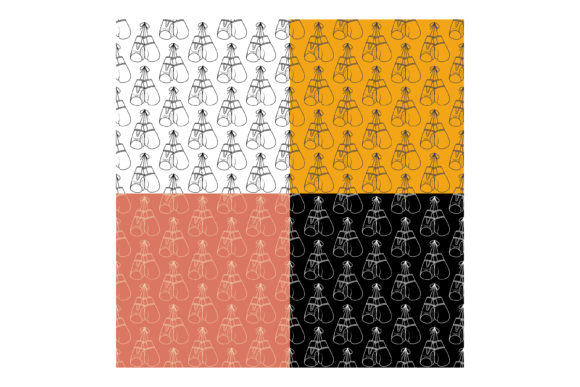
A pattern with sports boxing gloves is typically delivered as a vector file (often in AI, EPS, or SVG formats) containing a tileable arrangement of boxing glove icons, sometimes paired with elements like ropes, punch bags, or star motifs. The phrase “hanging on the wall” in many product descriptions signals a particular composition: gloves suspended in a neat row or scattered casually, evoking a gym locker room or a boxing ring backdrop. This aesthetic is intentional—it conveys action, tradition, and a sporty lifestyle without needing a full scene.
What makes these patterns distinct is their balance between thematic specificity and repeatable geometry. Unlike a random collection of sport icons, a well-designed seamless pattern maintains visual flow across seams, so the motif repeats without awkward breaks. The vector format ensures you can scale the pattern from a small phone case to a large wall mural without losing crispness. If you are evaluating resources for a sportswear line, a boxing-themed apparel collection, or a fitness studio’s interior, these patterns offer a ready-made visual language that saves design time.
Comparing Vector Patterns with Other Design Formats
When you compare patterns with sports boxing gloves to alternative formats like raster images, hand-drawn sketches, or custom illustrated motifs, the differences become apparent early in the decision process. Vector patterns are resolution-independent, so they resize without pixelation—a clear advantage for projects that require multiple scales. Raster patterns, by contrast, may look sharp at one size but degrade when enlarged, especially if the original resolution is low. For fabric printing or large-format wall decals, vector-based seamless patterns give you more control.
Another key comparison point is editability. A vector pattern allows you to change colors, rearrange elements, or remove individual gloves without redrawing the entire composition. If your brand colors differ from the default palette, you can adapt the pattern in minutes. Hand-drawn or photographic patterns offer a unique texture but require more effort to modify. However, they may provide a more organic look if that is your goal. The choice between vector and other formats often comes down to how much flexibility you need versus how much visual authenticity you want.
Seamless patterns also differ from single-icon sets. A single boxing glove icon gives you a flexible building block, but you are responsible for arranging the repeat, which can be tricky if you are not experienced with pattern design. A pre-made seamless pattern with sports boxing gloves removes that step—the hard work of spacing, rotation, and seam alignment is done for you. The tradeoff is that you are tied to the designer’s layout and aesthetic choices. If that layout does not match your vision, you might spend time editing what could have been built from scratch.
When Seamless Patterns Shine and When They Fall Short
Patterns with sports boxing gloves work best in contexts where repetition reinforces the theme. On athletic wear, a subtle all-over print of boxing gloves can look energetic without being overwhelming. For a gym’s accent wall, a pattern of hanging gloves creates a sporty atmosphere that members recognize instantly. In product packaging—like a line of protein bars or boxing gear—the pattern adds a cohesive identity across boxes and bags. In these cases, the repeatability is a strength.
But seamless patterns also have limitations. Because they repeat in a grid (or a half-drop or brick layout), the same glove motif appears again and again. On a large surface like a duvet cover or a wallpaper mural, the repetition can become monotonous if the pattern is not designed with enough variety in scale or orientation. Some patterns include multiple glove angles or mix in secondary elements like stars or geometric shapes to combat this. When evaluating, look at a full mockup of the pattern tiled across a large area—not just a single tile—to see if the repetition feels engaging or tedious.
Another tradeoff is that a pattern built solely around hanging gloves may lack a focal point. If your project needs a hero image or a central graphic, a seamless pattern is generally a background element. You would pair it with a bold logo, a text overlay, or a standalone illustration. For a poster or a cover, a single boxing glove vector might be more effective. Understanding this distinction helps you decide whether a pattern is the right tool or whether you need a different type of design asset.
Evaluating Fit for Different Projects
Choosing the right pattern depends heavily on the intended use. For apparel fabric, especially sports jerseys, leggings, or hoodies, a pattern with sports boxing gloves must be tested at the actual print scale. What looks balanced on a 10-inch tile may appear too dense or too sparse on a shirt front. Many vector patterns include a preview of the repeat, but you can also import the file into your design software and create a custom swatch to test. Look for patterns that offer multiple scale options or provide guidance on recommended print sizes.
For wall art or room decoration, consider the orientation and the arrangement of the gloves. The phrase “hanging on the wall” suggests a vertical alignment that complements portrait-oriented spaces. In a long hallway, a pattern with gloves hanging at different heights can create visual movement. In a square room, a more balanced grid may work better. If the pattern is too literal—with hooks and ropes visible—it may feel more like a wallpaper for a boxing gym than a subtle accent for a home office. Think about the atmosphere you want to create.
For digital use, such as website backgrounds or social media templates, vector patterns with sports boxing gloves are lightweight and easy to tile with CSS or in design tools. They load fast and scale to any screen size. However, the sporty theme may be too specific for broad consumer websites. They are better suited for niche fitness brands, boxing clubs, or event promotions.
Decision Factors: Complexity, Style, and Intended Use
When comparing options among different pattern sets, focus on three factors: complexity, style, and intended use. Complexity refers to how detailed the gloves are—some patterns use simple silhouettes, others include stitching, laces, and shading. Simple silhouettes work well for small-scale printing (like on a phone case) where fine details may get lost. Detailed gloves are better for large-scale applications where every stitch adds authenticity. But high detail also increases file size and may complicate color changes if the pattern uses multiple overlapping shapes.
Style encompasses the overall visual mood. Minimalist patterns with clean lines appeal to modern sportswear brands. Vintage or distressed styles suit retro-themed apparel or posters. Some patterns incorporate graffiti elements, stars, or geometric frames that blend boxing with streetwear. Think about your audience—adults aged 20–50 may respond differently to a sleek, monochrome pattern versus a vibrant, comic-style one. The trend toward active lifestyles means sport motifs are versatile, but the execution must match the brand’s tone.
Intended use drives the final choice. If you are printing on fabric that will be washed repeatedly, ensure the pattern is designed in a way that doesn’t rely on extremely fine lines that might blur. If you are creating a digital mockup, you might prioritize a pattern with transparent backgrounds and easy color swaps. If you are publishing a pattern for others to buy, consider how your approach compares with what is already available.
Alternatives to Consider
If a seamless pattern with boxing gloves does not entirely meet your needs, several alternatives exist. One option is to purchase a set of individual boxing glove vectors and arrange them into your own pattern. This gives you full control over spacing, rotation, and repetition, though it requires more design skill. Another alternative is to look for patterns with broader sport themes—such as mixed martial arts or general fitness icons—which may include boxing gloves alongside other equipment like jump ropes and dumbbells. These can feel more varied and less repetitive.
You could also commission a custom pattern from a freelance illustrator. This route costs more but yields a unique design that matches your exact specifications. For some projects, a hand-drawn or watercolor-style pattern adds a warmth that vector patterns sometimes lack. The tradeoff is longer turnaround time and higher cost. Evaluate whether the pre-made seamless pattern with sports boxing gloves covers enough of your requirements or whether the investment in customization is justified by the specific outcome you need.
Practical Examples: From Digital Mockups to Printed Fabric
Consider a small fitness apparel brand launching a new line of boxing-inspired leggings. The designer finds a patterns with sports boxing gloves set that uses a half-drop repeat with gloves in three different rotations. The vector file allows easy color adjustment to match the brand’s signature teal and charcoal palette. After scaling the pattern to see how it looks on a full-sized garment mockup, the designer notices the gloves are evenly distributed but the repeat creates a visible seam across the front of the thigh. By editing the pattern tile slightly—shifting the gloves a few millimeters—the seam becomes less noticeable. This kind of flexibility is a real advantage.
On the other hand, a home décor enthusiast wants to create a feature wall in a home gym. They choose a pattern with gloves hanging in neat rows. The wallpaper printer requires a high-resolution file; the vector pattern delivers that easily. After installation, the homeowner realizes the repeated glove shape feels too busy in the small room. In this case, a more spaced-out pattern or a single large wall decal might have been a better fit. The decision to use a seamless pattern versus a standalone graphic hinges on the scale of the space and the desired visual density.
Balancing Aesthetic Appeal with Functional Requirements
Choosing a pattern with sports boxing gloves is rarely a binary decision. It involves weighing the convenience of a ready-made seamless design against the need for uniqueness, the flexibility of vector format versus the texture of hand-drawn art, and the thematic focus against versatility. For many projects—especially sportswear, gym décor, and fitness branding—these patterns offer a practical, cost-effective shortcut to a cohesive look. They also allow designers to maintain a sporty identity without reinventing the wheel.
Yet no single pattern fits every scenario. When the repetition becomes distracting, when the specific hanging style doesn’t align with the room orientation, or when the sport motif feels too narrow for a broader audience, alternatives like custom patterns, mixed-icon sets, or standalone illustrations may serve better. The key is to test the pattern in context, consider the scale of the final product, and evaluate how much control you need over colors, spacing, and style. By approaching the selection process with these factors in mind, you can decide whether a particular pattern with sports boxing gloves is the best tool for your design or whether a different approach will deliver the result you envision.