Seamless Square Patterns 38: A Practical Asset for Creative Workflows
When you work with repeated visual elements, the difference between a polished output and a mediocre result often comes down to the quality of your base assets. Seamless Square Patterns 38 offers a set of tileable square designs that you can drop directly into your projects without worrying about visible seams, resolution limits, or awkward repetition. Whether you are preparing digital files for print, designing packaging, or building a consistent look for a website, having a reliable, high-resolution pattern pack simplifies your process and keeps your work consistent.
What Seamless Square Patterns 38 Brings to Your Process
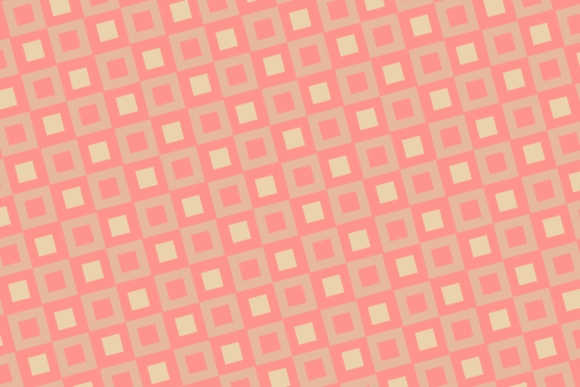
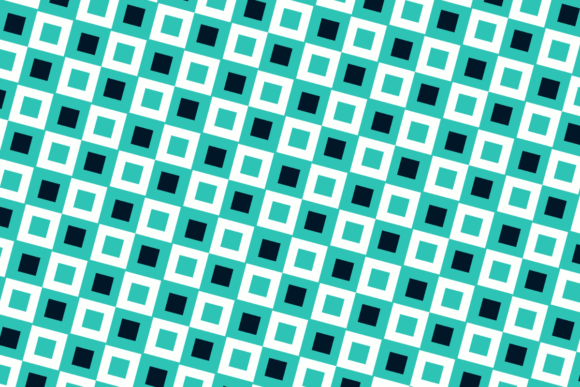
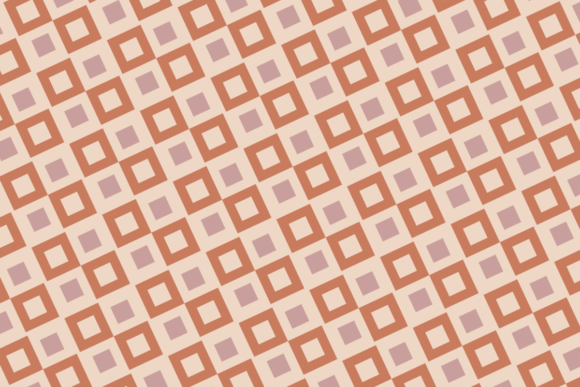
This collection delivers one JPG file with a resolution of 5000 x 5000 pixels at 300 dpi. That means you get a single, large-format seamless square pattern that you can scale, crop, and repeat without losing quality. The key here is that the pattern is designed to tile smoothly — when you place it side by side, the edges align perfectly, creating an endless, uniform texture. This is not a set of multiple patterns; it is a single, versatile square that you can use as the foundation for many different applications.
For anyone who works with surface design, branding, or product mockups, having a pattern that is ready to tile saves hours of manual alignment. You do not need to clone stamps or manually match edges. Instead, you import the file, define your repeat area, and let the pattern fill the space. This asset fits into the preparation phase of a project: you grab it, test it in your software, and then build your design around it.
Using Seamless Square Patterns 38 Before, During, and After a Project
The pattern pack supports different phases of a creative workflow. Here is how you can integrate it depending on where you are in your process.
Before the Project: Planning and Asset Assembly
When you start a new design, you often need to decide on background textures, surface fills, or repeating motifs. Instead of creating a pattern from scratch, you can add Seamless Square Patterns 38 to your asset library early on. This gives you a concrete element to test color schemes, scale, and composition. For example, if you are designing a series of bottle caps, you can load the pattern into a mockup file, adjust the size, and check how the square repeat looks on a circular surface. Having the asset ready before you begin cuts down on trial-and-error time.
During the Project: Direct Implementation
As you build the design, you can apply the pattern to specific layers or sections. In software like Adobe Illustrator or Photoshop, you create a pattern swatch from the JPG and then fill shapes, text backgrounds, or entire artboards. The 5000 x 5000 pixel size at 300 dpi is large enough to cover most print dimensions without noticeable pixelation. If you need to use the pattern on a t-shirt mockup, you simply paste the JPG as a texture layer, adjust the blending mode, and scale it to fit the shirt area. The seamlessness ensures that when the pattern wraps around the model, there are no hard lines.
After the Project: Archiving and Reusing
Once a project is finished, the pattern becomes part of your reusable resources. You can store it in a folder labeled "tileable backgrounds" and pull it into future projects. Because the file is high-resolution and standard JPG format, it works across different software and platforms. You may use it for a wedding invitation design this month, then repurpose the same pattern for a cell phone cover mockup next quarter. Keeping a consistent pattern library helps maintain visual continuity across different product lines or client projects.
How the Pattern Interacts with Tools, Platforms, and Assets
The value of a seamless square pattern depends on how well it integrates with your existing toolkit. Here are common software and use cases where this file fits naturally.
- Vector design software (Illustrator, CorelDRAW, Affinity Designer) – Import the JPG, create a pattern swatch, and apply it to any vector shape. The pattern retains its seamlessness even when you scale it inside the program.
- Raster editors (Photoshop, GIMP, Procreate) – Use the file as a fill layer or define it as a pattern preset. You can also rotate, scale, or colorize it without breaking the repeat.
- Print-on-demand platforms (Printful, Redbubble, Society6) – Upload the pattern as a design element for products like t-shirts, tote bags, or phone cases. The resolution is sufficient for most print sizes, though you may need to adjust placement for specific product templates.
- Digital planning and stationery (Notability, GoodNotes, Canva) – Use the pattern as a background for digital planners, stickers, or journal pages. Because it is a single JPG, you can import it directly into Canva and tile it using the background feature.
The pattern also interacts well with other design elements. Combine it with solid color overlays, text, or illustrations. For instance, you can lower the opacity of the pattern and place it behind a bold headline on a card. The continuous square grid provides structure without overwhelming the foreground content.
Practical Implementation Tips for Real Workflows
Getting the most out of a seamless pattern involves preparation, testing, and organization. Below are observations that can help you avoid common issues.
Preparation Before Using the File
Unzip the downloaded file and inspect the JPG in a viewer. Check the resolution and ensure no compression artifacts are visible when zoomed to 100%. If you plan to use the pattern on a very large surface (like a wall mural or banner), you may need to tile the file across multiple sections in your design software. The 5000 x 5000 pixel dimension is fine for most desktop printing, but for large-format output, remember that you can repeat the pattern without visible seams.
Compatibility with Software and Print Standards
The JPG format is universally supported, but if your workflow requires lossless compression or transparency, you might want to convert the file to TIFF or PNG. The pattern itself is opaque, so it works well as a background or fill. If you need a transparent background for layering over other elements, you will need to export the pattern as a PNG after isolating the pattern area in your editor. Also note that the pattern is RGB, which is fine for digital use and most print-on-demand services. For CMYK offset printing, convert the file in your software and check for any color shifts.
Organizing Your Pattern Library for Efficiency
Create a dedicated folder on your computer or cloud storage for seamless patterns. Name the file descriptively, for example "Seamless_Square_38_5000.jpg". You can also add metadata tags or use a digital asset management tool to search by theme. When you need a pattern quickly, this organization saves time. If you work with a team, share the file through a common drive and set naming conventions so everyone knows the resolution and type.
Quality Control: Testing the Seamlessness
Before committing to a full design, test the pattern in a small repeat. In Photoshop, use the "Pattern Preview" mode to see how it tiles. In Illustrator, create a grid of four squares and check the edges at 200% zoom. If you see any misalignment, adjust the file in your editor. Because this is a pre-made seamless pattern, the edges should already match, but it is good practice to verify, especially if you plan to resize the pattern significantly.
Workflow Examples for Specific Use Cases
The same seamless square pattern can serve completely different industries. Here are three concrete examples of how you might use Seamless Square Patterns 38 in a day-to-day process.
Example 1: Invitations and Stationery
You are designing a set of wedding invitations. You want the background to have a subtle geometric texture without looking busy. Open the pattern in Canva, set it as the page background, and adjust the size so the squares appear small and delicate. Then layer the invitation text over the top. Because the pattern is seamless, the background flows evenly across both the invitation and the envelope liner. You can also use the same pattern for matching thank-you cards or menus, keeping the brand consistent.
Example 2: T-Shirt Designs for Print-on-Demand
You manage a small online store and need a new t-shirt design. Import the JPG into Photoshop, scale it to fit a standard t-shirt template, and apply a color overlay to match your brand palette. Then add a simple graphic or slogan in the center. The pattern acts as a full-back or all-over print. For a placement print, you can cut out a section of the pattern and apply it as a front chest design. The 300 dpi resolution ensures the print does not look pixelated when output on fabric.
Example 3: Website Backgrounds and Digital Albums
As a web designer, you need a repeating background for a landing page. Use the pattern as a CSS background image by saving the JPG to your site's assets folder. Because it tiles seamlessly, you can set it to repeat on both axes and it will cover any viewport size without gaps. For digital albums or scrapbooking, drop the pattern into a layout software, adjust opacity to 30%, and use it as a base page texture behind photos. The pattern adds depth without distracting from the main content.
Long-Term Use and Iteration
One asset can support many projects over time. The key is to treat the pattern as a starting point rather than a final design. You can colorize it, rotate it, mask it, or combine it with other patterns. If you work on multiple brands, you can keep a master copy of the pattern and create variations by applying different hue/saturation adjustments. This way, you get a cohesive look across different product lines without needing a new pattern for each color scheme.
Also consider archiving your pattern alongside any derivative files you create. If you modify the pattern for a specific client, save a copy with a new name (e.g., "Seamless_Square_38_blue_scale_80.jpg"). This prevents you from accidentally overwriting the original and gives you a reference for future similar requests.
From a productivity standpoint, having a reliable seamless pattern reduces decision fatigue. You do not need to reinvent the background texture every time. Instead, you choose from your library, test quickly, and move forward with execution. That is the practical value of Seamless Square Patterns 38 – it is a turnkey asset that fits into your existing workflow, whether you are a solo creator, a small business owner, or a marketing team producing consistent collateral.